Let Us Live, My Love
Like love, poetry is timeless
This is the first of Catullus's poems I had the pleasure of reading. I loved it immediately.
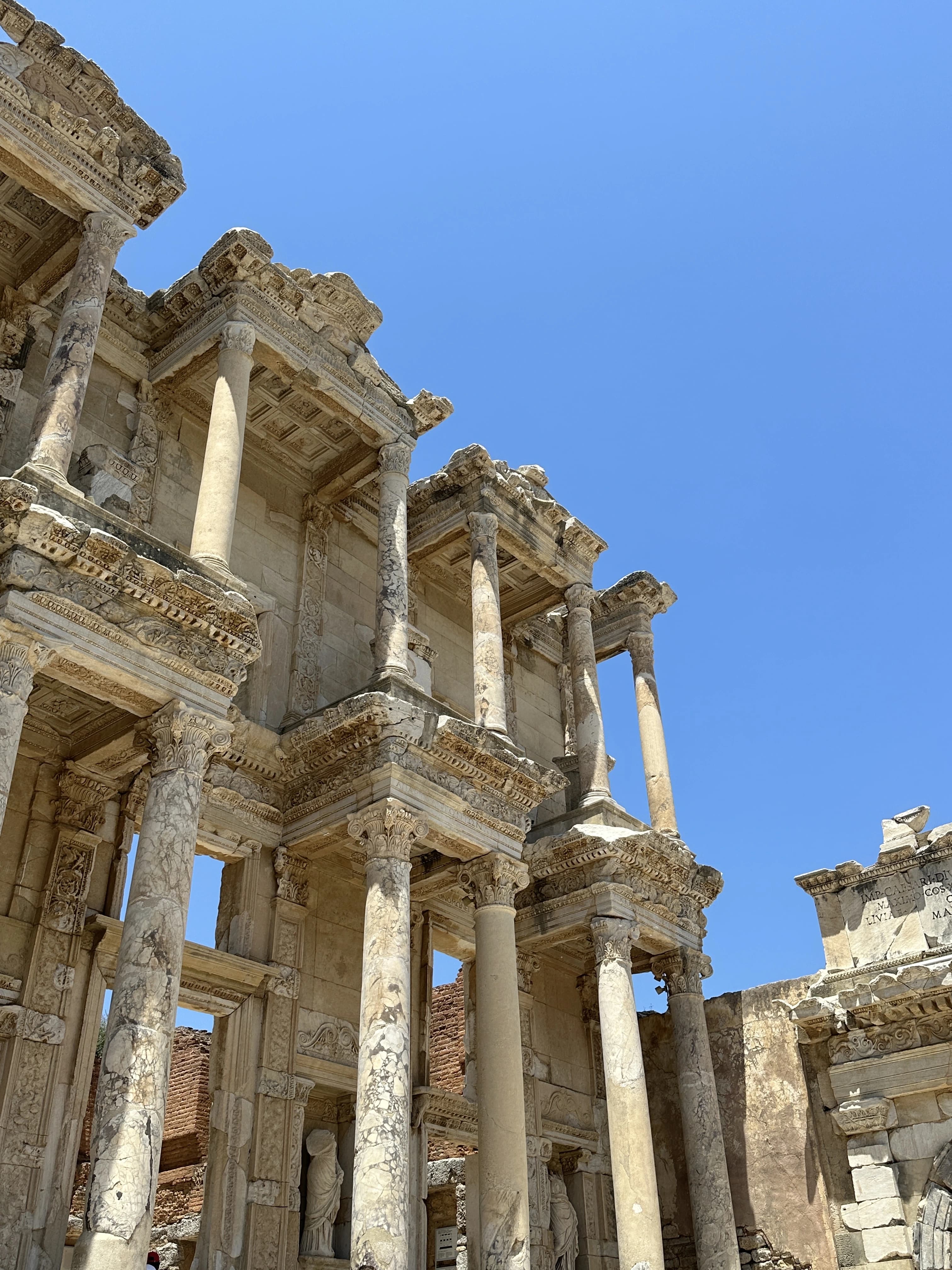
Gaius Valerius Catullus was born in Verona, around 84 BC, into a wealthy Roman family. In 57 BC, he travelled to Bithynia, the northwest of modern-day Türkiye, for work. He returned to Rome the following year and died sometime around 54 BC, in his early thirties.
Twenty-five of his 116 surviving poems are written for a woman he calls Lesbia.
He used the pseudonym Lesbia for many reasons. Lesbia refers to the Greek island of Lesbos, the home of the famous lyric poet Sappho. Catullus admired and adapted Greek lyric poetry, so the name Lesbia associated his beloved with Sappho and her passionate love poetry.
It is widely thought that the 'real' Lesbia was Clodia Metelli, a married Roman aristocrat. As was the case with most upper-class Roman marriages, Clodia’s marriage was arranged for political and economic gain, and there was no real love or affection in it.
The fifth poem starts very simple. Let us live and love. The two most important things to Catullus. Inseparable.
We cannot live without love and we cannot live without life. In a way, love makes us more alive. To love is to experience life at its fullest, to become aware of the fleeting nature of every moment.
He does not tell Lesbia to love because the world is beautiful and everything will be amazing.
He tells her to love because nothing will last.
Original Latin
Vīvāmus, mea Lesbia, atque amēmus,
rūmōrēsque senum sevēriōrum
omnēs ūnius aestimēmus assis!
sōlēs occidere et redīre possunt:
nōbīs, quum semel occidit brevis lūx,
nox est perpetua ūna dormienda.
Dā mī bāsia mīlle, deinde centum,
dein mīlle altera, dein secunda centum,
deinde ūsque altera mīlle, deinde centum;
dein, quum mīlia multa fēcerīmus,
conturbābimus illa, nē sciāmus,
aut nē quis malus invidēre possit,
quum tantum sciat esse bāsiōrum.
English Translation
Let us live, my Lesbia, and let us love,
and count the rumours of rather stern old men
at a penny's fee!
Suns may set and rise again;
for us, when once the brief light has set,
an eternal night must be slept.
Give me a thousand kisses, then a hundred,
then another thousand, then a second hundred,
then yet another thousand, then a hundred;
then, when we have performed many thousands,
we shall shake them into confusion, in order that we might not know,
and in order not to let any evil person envy us,
when he knows that there are so many of our kisses.
We usually think about the day from morning to night, the sun rising first and then setting.
He makes us think about the night by inverting the order.
Although he opens with love and life, he chooses to focus on death.
An eternal night must be slept
His wish that they be suspended in one perpetual night together demonstrates how few and far between their trysts must have been. Catullus and Clodia were both Romans with high social status who were willing to use and even risk their means to be with each other.
Him trying to count the kisses shows how much he savored every moment with her. How funny that by counting the kisses, he confuses us. We can't count the numbers. And even if we could, as if there could ever be a number large enough to measure real love...
Till the sun rises again, let us live, and let us love pookies.